
The journal
What does the right side mean in sewing?
A clear definition of right vs wrong side of fabric, plus quick ways to identify the right side on prints, knits and textured fabrics.
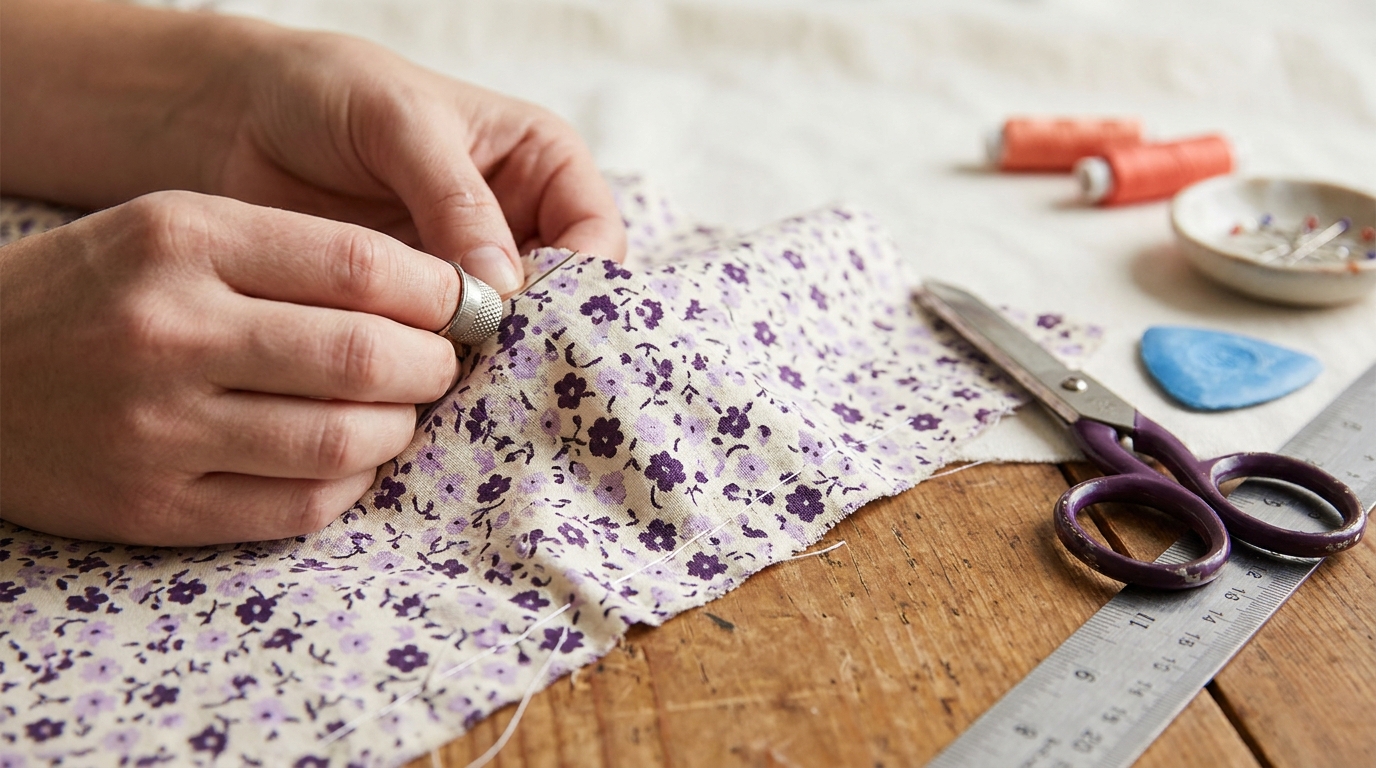
The right side of fabric is the face intended to be visible on the finished item; the wrong side is the reverse that usually ends up inside. Patterns often say “sew right sides together” so seam allowances lie inside the finished item Sew Cute Patterns: Right Side vs. Wrong Side.
How to tell the right side quickly
Printed wovens: the right side typically shows brighter, crisper color and a clearer motif. If both faces look similar, choose the one you prefer and stay consistent for every piece Sew Cute Patterns: Right Side vs. Wrong Side and Opian: 4 ways to find the right side.
Selvedge clues: readable mill text along the selvedge often aligns with the right side Opian: 4 ways to find the right side. Do not rely on old “pinholes raised side” rules; manufacturers’ practices vary and pinholes can mislead FancyFrocks Fabrics: right side of woven fabric.
Knits and jersey: stockinette jersey usually has visible knit V shapes on one face and purl bumps on the other. Edge curl can be a clue, but its direction depends on which edge and knit structure you inspect, so it is not a universal right-side test Opian: 4 ways to find the right side. Some jerseys and fleeces lack a clear right/wrong face; pick one and be consistent Sew Cute Patterns: Right Side vs. Wrong Side.
Textured or napped fabrics: for velvet and corduroy, stroke the nap. The appearance can change with pile direction, lighting and viewing angle. Follow the pattern’s with-nap layout and the fabric or project instructions, keeping the intended direction consistent across pieces FancyFrocks Fabrics: right side of woven fabric. Twills often show clearer diagonal lines on the face; gabardine may show lines only on the face FancyFrocks Fabrics: right side of woven fabric.
Worked examples you can try on scraps
Cotton print: under good light, compare both faces. Pick the side with sharper color, then mark the wrong side lightly with removable tailor’s chalk before cutting. This avoids mixing faces across mirrored pieces Sew Cute Patterns: Right Side vs. Wrong Side and FancyFrocks Fabrics: right side of woven fabric.
Jersey knit: examine both faces of a scrap for the knit V shapes and purl bumps. Do not identify an unfamiliar knit from curl alone; ribbed, double-knit and reversible fabrics can behave differently. Mark the face you choose and stay consistent Opian: 4 ways to find the right side.
Sewing with right sides together (and when stitches show outside)
Most seams are sewn with right sides together so seam allowances end up inside and the outside looks tidy; a plain seam does not itself enclose all raw edges Sew Cute Patterns: Right Side vs. Wrong Side. When finishing details are meant to be visible, like decorative rows along an edge, see our explainer on what topstitch sewing is instead of assuming stitches should be hidden.
As you lay out pattern pieces, keep direction consistent and follow grainline arrows so the fabric hangs correctly. If you need a refresher on layout orientation, read what “grain of fabric” means in sewing.
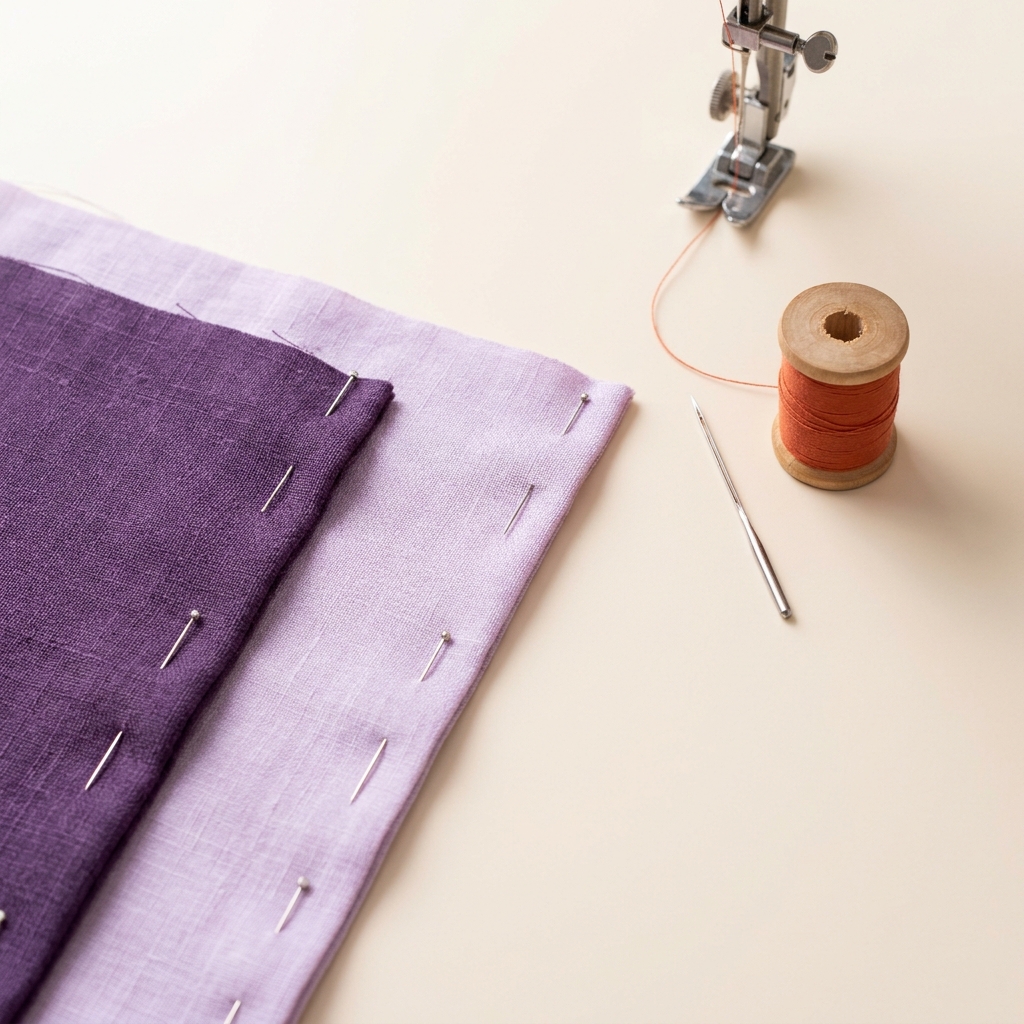
Confirm the fabric right side before you cut
FAQ
What if my fabric has no obvious right side?
Some fleeces, felts and solid cottons look the same on both sides. Choose the side you prefer, mark the opposite side lightly and keep that choice consistent throughout Sew Cute Patterns: Right Side vs. Wrong Side.
Are selvedge pinholes a reliable guide?
Not reliably. Older “pinholes raised = right side” tips don’t hold across today’s manufacturing. Compare print clarity, construction, selvedge and texture rather than trusting one clue alone FancyFrocks Fabrics: right side of woven fabric and Opian: 4 ways to find the right side.
Choose the face you want to show, verify it with one or two quick checks, mark your pieces, then sew. That simple habit keeps prints aligned, textures intentional and seams where they belong.