
The journal
Why won’t my woven interfacing stick to my fabric?
Confirm that the interfacing is fusible, identify its adhesive side and follow its exact iron settings. Test compatible fabric preparation and let the sample cool before checking the bond.
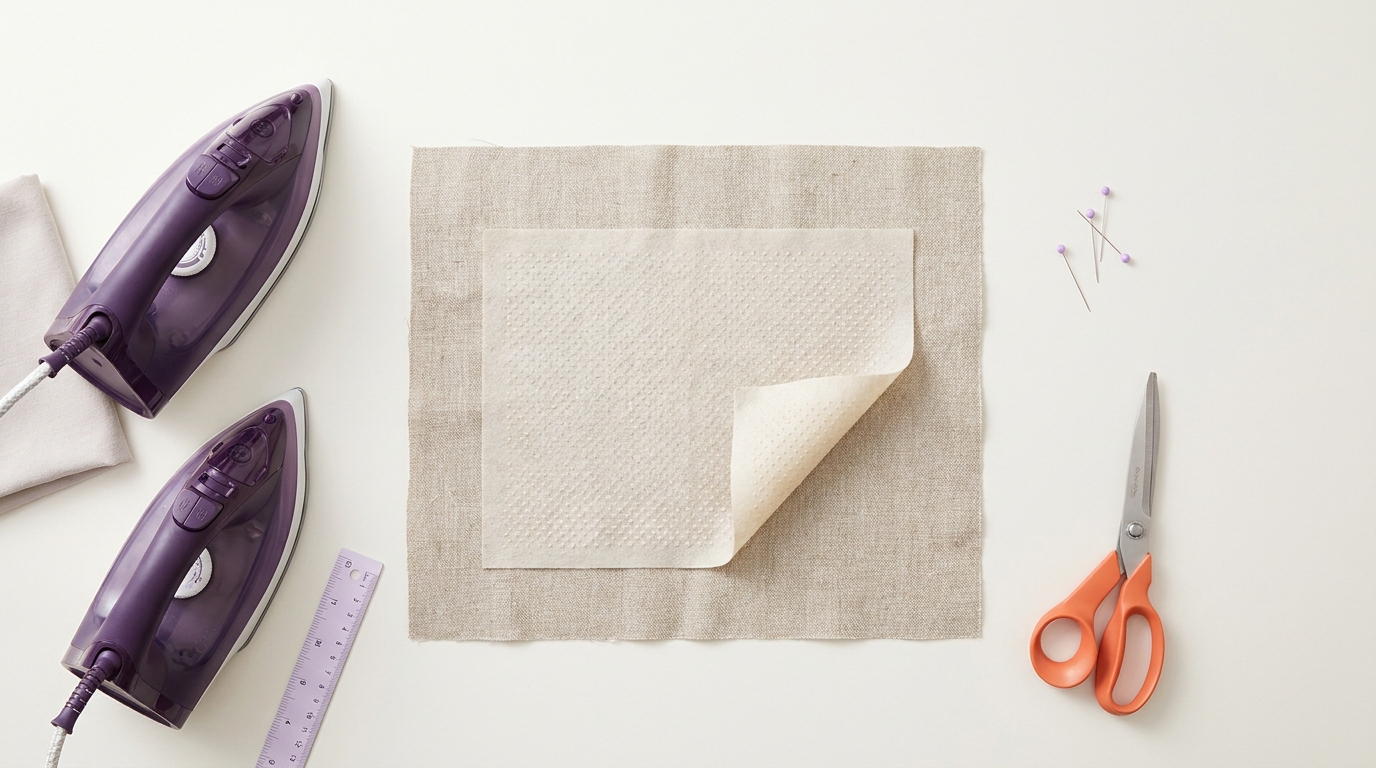
Short answer: Fusible woven interfacing needs the heat, moisture, time and pressure specified for that exact product, and when the adhesive can contact clean fabric fibers. Check those settings first, along with pressing the wrong side, using a handheld steamer instead of an iron, or fabric finishes that block the glue (Pellon FAQ; Pellon Resources).
Check the exact instruction sheet before changing settings. Steam is appropriate only where specified; a dry-fuse product should not be treated as a steam-fuse one.
First, rule out the simple blockers
1) Confirm the fusible side
On many fusibles, the adhesive is either visible as tiny dots (a slightly rough face) or appears as a shiny film. That side must face the fabric. If you’re unsure, Pellon advises testing a small offcut, covered with paper towel or fabric, so you don’t fuse the wrong side to your board (Pellon FAQ).
2) Prep the fabric so the glue can grab
Prepare the fabric as its care label and the interfacing instructions permit; Pellon recommends prewashing or presteaming suitable fabrics to address shrinkage and finishes (Pellon FAQ). Finishes like sizing or soil-repellent coatings can keep the adhesive from wetting the fibers.
3) Pre‑shrink woven interfacing if your brand requires it
Some woven fusibles (for example, Pellon SF101) are made to be pre-shrunk before use. Pellon recommends soaking in warm water for about 10 minutes, gently squeezing out excess, and air-drying flat. Don’t put fusible alone in a washer or dryer, which can loosen the adhesive (Pellon FAQ).
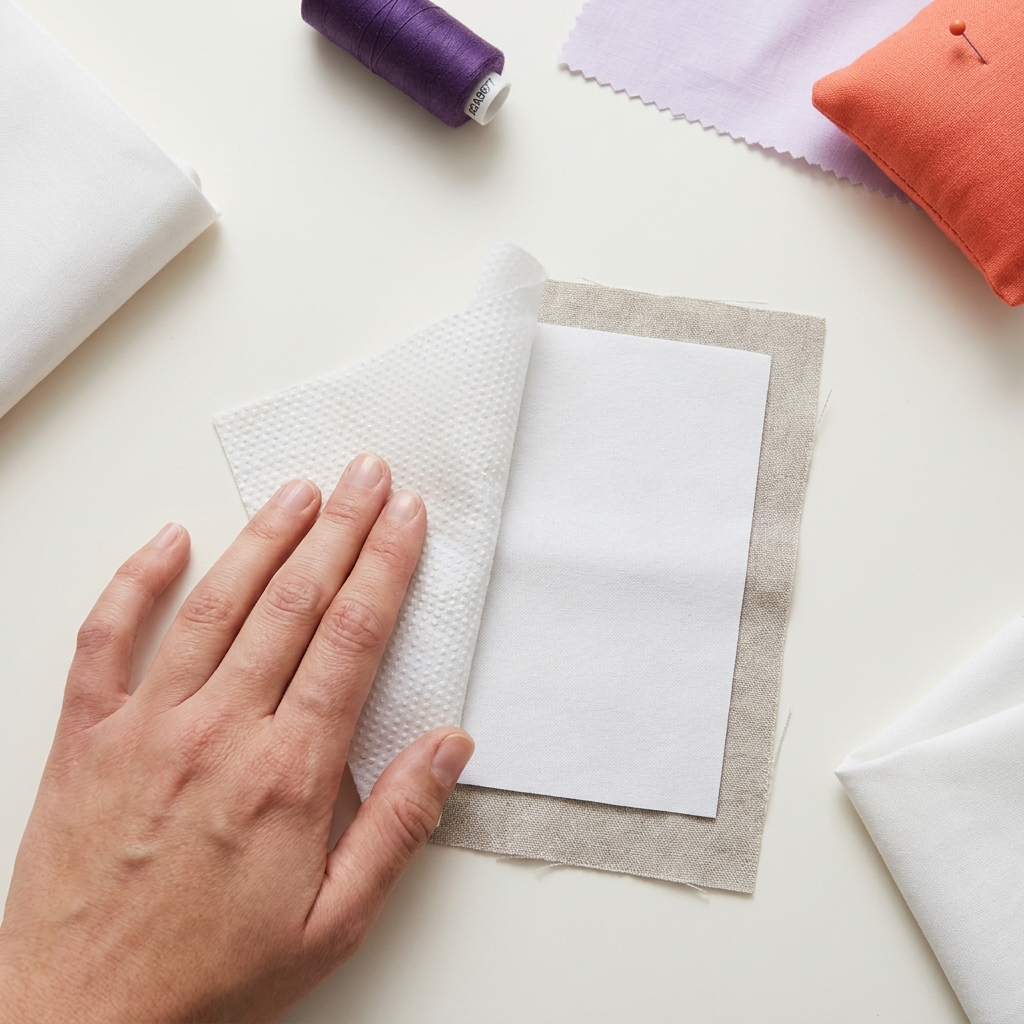
Get the bond: heat, steam, time and pressure
Pellon specifies that a full, permanent bond usually needs all four: heat, steam, time and pressure (Pellon Resources). Practical implications:
- Use a standard household iron or a steam press you can control, not a handheld garment steamer (Pellon FAQ).
- Apply firm, even pressure and hold the iron in place for the duration your product sheet specifies. Moving too quickly reduces both time and pressure.
- Use a press cloth. Besides protecting your iron, Pellon notes it helps ensure you’re getting enough steam, and the area under the iron should be almost dry when you lift it, which is a handy cue you’ve applied sufficient heat and time (Pellon FAQ).
If adhesive transfers to your iron by accident, Pellon suggests a hot iron cleaner or using a Teflon soleplate in future sessions so adhesive wipes off cleanly (Pellon Resources).
Make sure you’re fusing to the wrong side
First verify that this is fusible interfacing: sew-in interfacing has no heat-activated adhesive and will not stick. Fusible backings are normally applied to the wrong side of the fabric. Brother’s support guidance for iron‑on backing shows pressing the stabilizer to the wrong side before stitching, which matches how fusible interfacings are applied in garment construction (Brother: Attaching stabilizer).
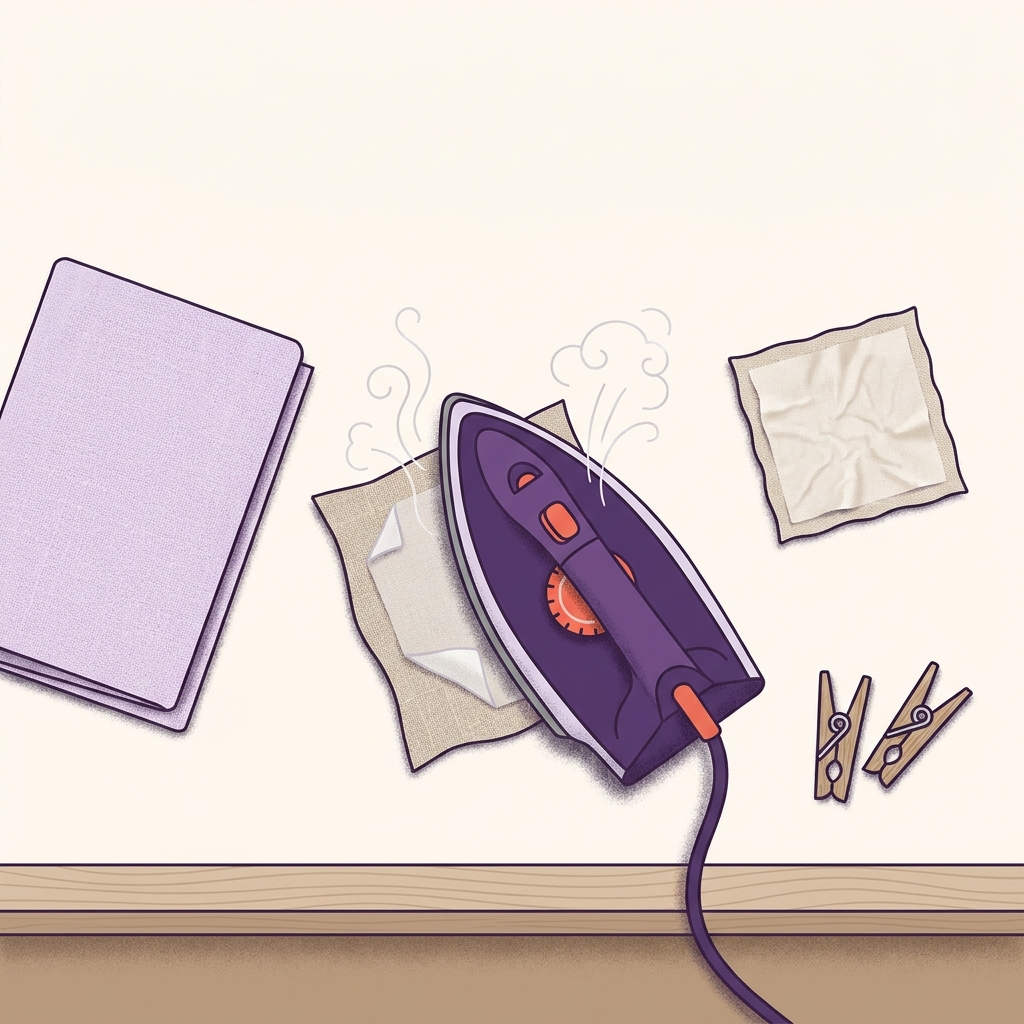
Still not sticking? Step-by-step rescue plan
- Test on scraps first. Confirm the fusible side and dial your iron settings on small offcuts, covered with a press cloth (Pellon FAQ).
- Adjust one factor at a time. Within the maker’s instructions, increase heat slightly, add steam, increase dwell time, or press more firmly. You need all four to work together (Pellon Resources).
- Re‑prep the fabric. If you suspect a finish is blocking the bond, check whether a permitted preparation step was missed and try a fresh sample without exceeding the fabric’s care limits (Pellon FAQ).
- Keep tools clean. If glue got onto the iron, clean it before retrying, per Pellon’s cleaning tips (Pellon Resources).
- When fusing isn’t suitable, switch to a comparable sew‑in woven interfacing per your pattern’s allowance.
Related reading on Made in Steps
- Attach fusible interfacing properly: clear steps
- Should a pressing cloth be wet or dry? Fabric-by-fabric guidance
Put this into practice
Check the interfacing’s own temperature, time, pressure and cooling instructions against the fabric care limit. Make a fresh sample before increasing heat, and do not mistake a bond checked while still hot for the finished result.
Quick checklist: make woven fusible stick
FAQ
Do I need steam, or can I fuse dry?
Pellon states most fusibles require heat, steam, time and pressure for a complete bond. Follow your product’s instructions and include steam if specified (Pellon Resources).
How can I tell the sticky side without ruining it?
Feel for adhesive dots or a shiny film. If in doubt, fuse a small sample between paper towels or scrap fabric so you protect your board and iron while you confirm which side is fusible (Pellon FAQ).